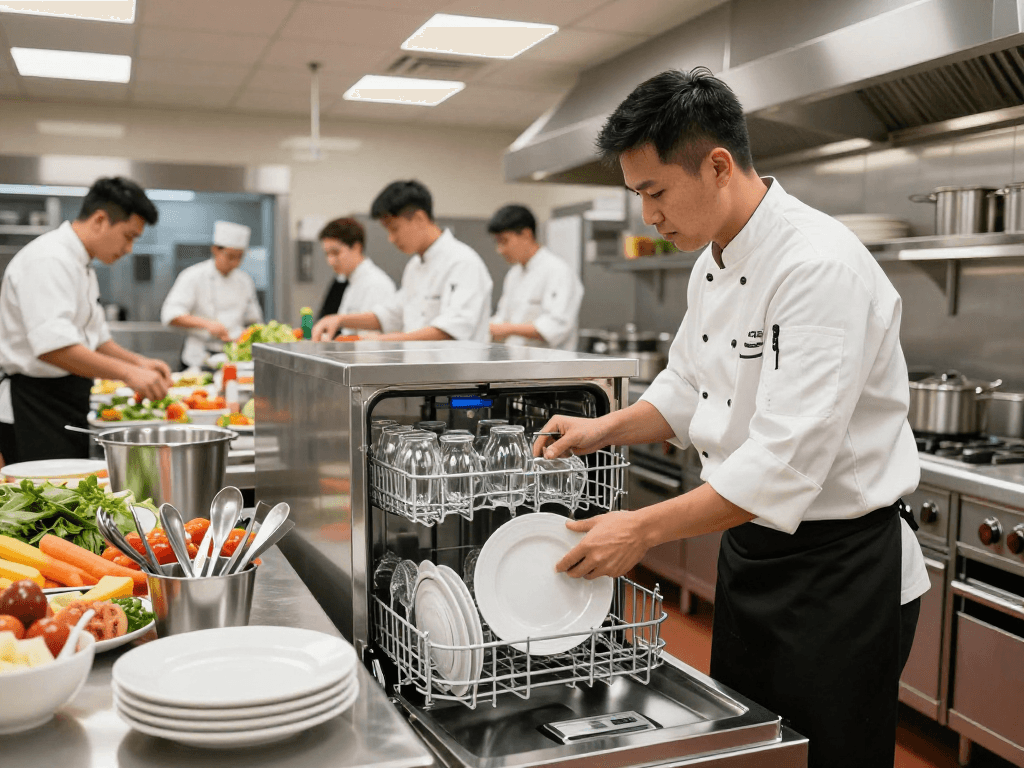
Understanding Commercial Dishwashers & Glasswashers
In the fast-paced world of commercial kitchens, maintaining cleanliness and hygiene is paramount. This is where Commercial Dishwashers & Glasswashers come into play, providing efficient solutions tailored for high-demand environments. These specialized appliances not only streamline processes but also help maintain health standards critical for any food service operation. Understanding their design, functionality, and application is vital for any business looking to optimize its operations.
What Are Commercial Dishwashers & Glasswashers?
Commercial dishwashers and glasswashers are heavy-duty appliances designed specifically for the demands of restaurants, hotels, and other foodservice establishments. Unlike their residential counterparts, these machines are engineered to handle large volumes of dishes, glasses, and utensils efficiently and effectively. They typically feature more robust construction, higher wash temperatures, and specialized cycles that ensure thorough cleaning and sanitization.
These machines can vary significantly in terms of design, with options ranging from undercounter models to larger conveyor systems that accommodate high throughput. Glasswashers, for instance, often feature specific settings to cater solely to delicate beverage glasses, ensuring they are cleaned without scratches or breaks.
Key Features and Benefits
- High Efficiency: Commercial dishwashers can cycle through loads quickly, often achieving a complete wash in under 10 minutes.
- Energy and Water Conservation: Many models come equipped with energy-saving features, reducing operational costs without compromising on performance.
- Durability: Built with high-quality materials to withstand the rigors of a busy kitchen environment, these machines require less frequent replacements.
- Advanced Sanitization: Many units utilize high-temperature protocols or chemical sanitizers, ensuring compliance with health and safety regulations.
How They Differ from Residential Models
Commercial dishwashers and glasswashers are distinctly different from home models in several aspects:
- Capacity: Designed for larger loads, commercial machines can wash dozens of plates or glasses at once.
- Speed: Restaurateurs cannot afford long wait times; commercial units operate significantly faster.
- Construction: Built from stainless steel and other durable materials, they are designed to handle heavy use without failure.
Choosing the Right Commercial Dishwashers & Glasswashers
Factors to Consider for Your Business
When selecting the right equipment for your business, several factors should guide your decision:
- Volume of Use: Estimate the number of dishes and glasses to be washed daily to choose a unit with appropriate capacity.
- Type of Establishment: Different businesses, such as cafes, restaurants, or bars, may require specific features tailored to their needs.
- Space Requirements: Ensure there's enough room for installation and operation, including clearance for ventilation.
- Energy Sources: Consider whether the machine requires electrical, gas, or other energy sources, as this may influence operational costs.
Top Brands and Models in 2026
As of 2026, several brands stand out in the market for their performance and innovation:
- Hobart: Renowned for reliability and efficiency, Hobart machines are a staple in many commercial kitchens.
- Insinger: Known for their innovative designs that focus on water conservation and advanced wash technology.
- Fagor: Offers energy-efficient models that are perfect for any establishment focused on sustainability.
Cost Analysis: Initial and Long-term Expenses
Investing in commercial dishwashers and glasswashers can be significant, but understanding the long-term ROI is crucial:
- Initial Investment: Costs can range widely based on features and capacity, often starting from £2,000 and reaching upwards of £10,000.
- Operational Costs: Include water, chemicals, energy, and maintenance, which should be factored into your budget.
- Longevity: High-quality machines can last over a decade, making them a cost-effective choice in the long run.
Installation and Maintenance Best Practices
Proper Installation Techniques
Correct installation of commercial dishwashers and glasswashers is critical to their efficiency and longevity. Consider the following steps:
- Ensure the machine is level to prevent leaks and operational issues.
- Connect to the correct water supply, ensuring temperature and pressure meet manufacturer specifications.
- Install appropriate drainage systems to avoid flooding and ensure fast drainage.
Routine Maintenance Tips for Longevity
Regular maintenance is essential to keep your machines running smoothly:
- Check and clean filters frequently to ensure good water flow and prevent clogs.
- Inspect seals and gaskets for wear and replace them to avoid leaks.
- Schedule professional servicing annually to catch any potential issues early.
Common Issues and How to Troubleshoot
Being able to identify common issues can save time and money:
- Low Water Pressure: Check for clogs in the water supply line or valve.
- Poor Cleaning Results: Ensure the correct amount of detergent is being used and check for spray arm obstructions.
- Unusual Noises: Investigate for loose parts or foreign objects within the machine.
Operational Efficiency and Safety Standards
Regulatory Compliance in Commercial Settings
Compliance with local health and safety regulations is non-negotiable in commercial kitchens. It's essential to ensure your dishwashers and glasswashers meet the following:
- Health codes regarding sanitization procedures.
- Energy efficiency standards to minimize environmental impact and reduce operational costs.
Energy Efficiency and Sustainability Practices
Implementing energy-efficient practices in your dishwashing operations can lead to significant savings:
- Opt for machines with ENERGY STAR ratings as they meet rigorous energy efficiency guidelines.
- Consider water recycling systems that can reduce water consumption by up to 50%.
Implementing Safety Protocols in the Kitchen
Safety must always be a priority in a busy kitchen environment:
- Train staff on the proper use of dishwashing equipment to prevent accidents.
- Ensure that machines are always equipped with necessary safety features like automatic shutoffs and emergency stops.
Future Trends in Commercial Dishwashing
Technological Innovations on the Horizon
The commercial dishwashing industry is evolving rapidly, with several trends emerging:
- Smart Technology: Integration with IoT devices for monitoring and optimization of wash cycles in real-time.
- Robotic Automation: Automation technologies that could handle loading and unloading dishes, reducing labor costs and improving efficiency.
Market Demand Changes and Consumer Expectations
As consumer awareness of sustainability grows, the demand for eco-friendly dishwashers and glasswashers increases. Businesses will need to adapt to meet these evolving expectations by:
- Investing in energy-efficient appliances that promote sustainability.
- Implementing transparent practices related to their operations and sustainability efforts.
Preparing Your Business for Changes in 2026
To stay competitive, businesses need to keep an eye on industry trends and be willing to innovate. This includes being ready to invest in new technologies and adapting to changing regulations, which could affect everything from procurement to operation procedures.
What Are the Benefits of Using Commercial Dishwashers & Glasswashers?
Utilizing commercial dishwashers and glasswashers offers numerous advantages, including:
- Enhanced productivity by reducing the time staff spend on cleaning dishes.
- Consistent sanitation that meets health codes, ensuring customer safety.
- Reduction in labor costs through automation and efficiency.
How Often Should Commercial Dishwashers & Glasswashers Be Serviced?
Routine servicing should be conducted at least once a year, with more frequent checks for high-use facilities. Regular maintenance prevents breakdowns and ensures optimal functioning throughout the year.
Are There Any Safety Risks Associated with Commercial Dishwashers & Glasswashers?
While generally safe, risks can include:
- Burns from high-temperature water or steam.
- Electrical hazards if machines are not properly maintained.
Training staff on safety protocols is critical to mitigate these risks.
What Energy-saving Features Should I Look For?
When shopping for commercial dishwashers and glasswashers, prioritize models that offer:
- Low water usage ratings
- Adjustable wash cycles based on load
- Heat recovery systems
What Maintenance Tools Are Essential for Dishwashers?
To ensure optimum performance, equip your kitchen with the following maintenance tools:
- Cleaning brushes for spray arms and filters
- Water hardness test kits to monitor and adjust detergent usage
- Basic repair tools for minor adjustments and repairs